
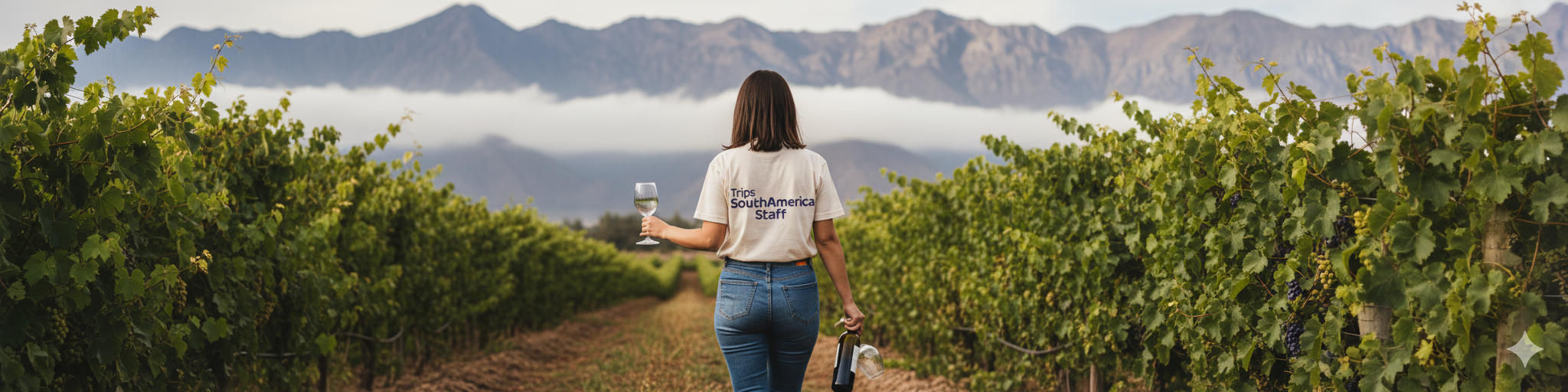
Discover the Jujuy wine route – Argentina’s best-kept enological secret and home to the world’s highest altitude vineyards. From wineries at over 10,000 feet to artisanal bodegas in the UNESCO Quebrada de Humahuaca, explore Argentina’s wine frontier.
In Argentina’s remote northwest, where the Andes glow in shades of ochre and the mountains look hand-painted, there’s a wine region that challenges everything you thought you knew about Argentine wine.
It’s not Mendoza. It’s not Patagonia. It’s Jujuy: South America’s best-kept enological secret.

Wines Born Where the Air Thins
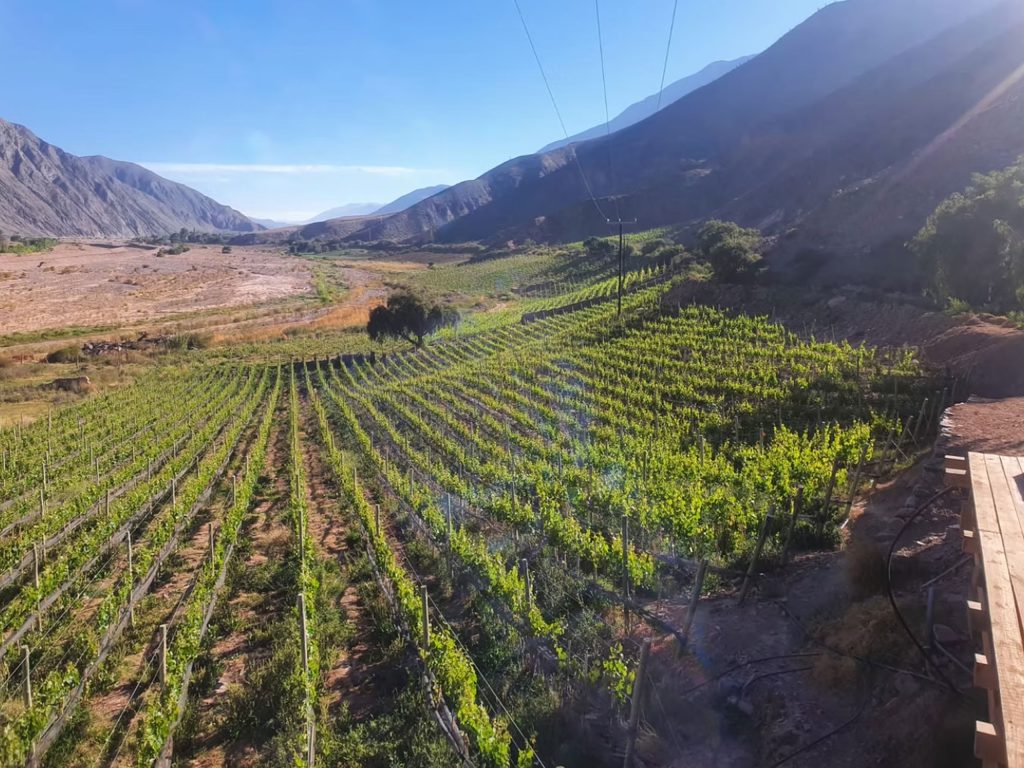
Picture vineyards planted between 6,500 and 10,800 feet above sea level. Altitudes where breathing gets harder and vines must adapt or die. In this extreme setting, wines emerge with a personality you won’t find anywhere else in Argentina.
Altitude isn’t just a technical detail. It’s the factor that transforms everything: relentless sunlight during the day, biting cold at night, the purity of Andean air. The result? Wines with a tension, minerality, and freshness that redefine what “high-altitude wine” really means.
The Malbec you never knew
If you thought you knew Argentine Malbec, Jujuy will make you rethink everything.
Here, far from the opulent, fruit-forward profile of lower elevations, Malbec becomes lean, vertical, almost alpine. Notes of violet and graphite emerge, tannins as fine as silk, a mineral backbone supporting every sip.
Same varietal. Completely different wine.
And it’s not just Malbec. White varieties—especially the aromatic Torrontés—reach crystalline expression under the intense UV of these altitudes. Every grape finds a version of itself here that didn’t exist before.
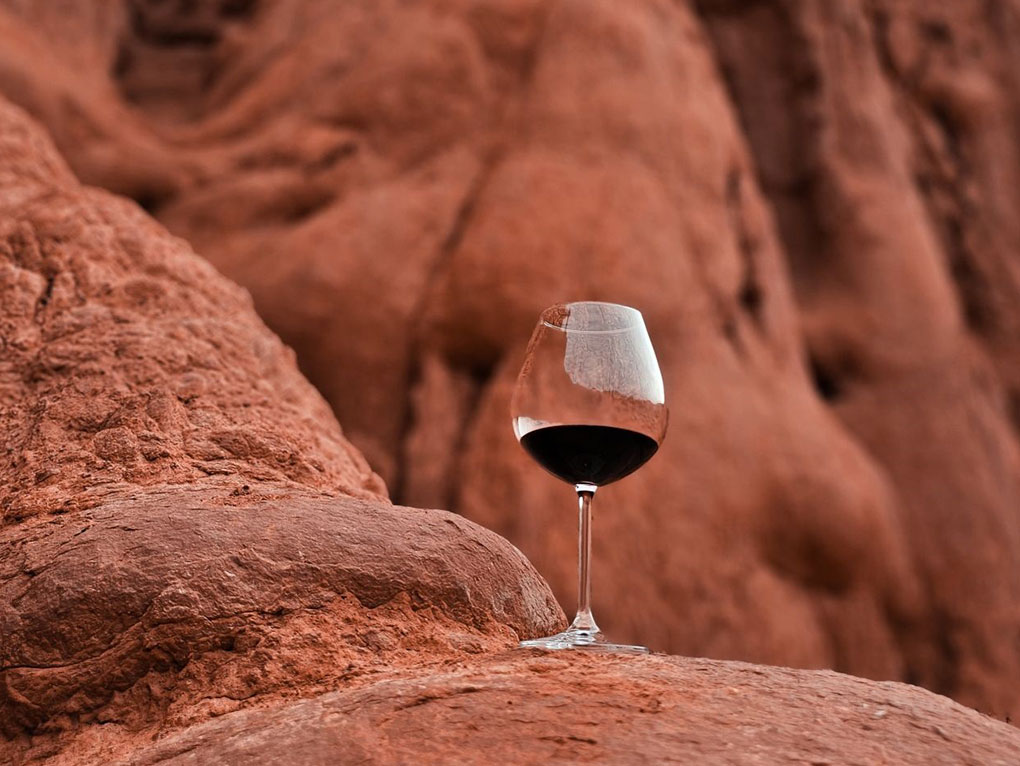
Beyond Wine: A Singular Cultural Experience
What’s extraordinary about Jujuy doesn’t end in the glass. This is a region where wine intertwines with pre-Columbian culture, ancestral gastronomy, and landscapes that look otherworldly.
We’re talking about the Quebrada de Humahuaca, a UNESCO World Heritage Site. Hills that literally display 14 different colors. Villages where Quechua is still a living language and Andean traditions remain intact.
Here, a wine tasting can combine with a lunch of quinoa and llama prepared with contemporary technique, or with a visit to artisan workshops where ceramics are crafted as they have been for centuries.
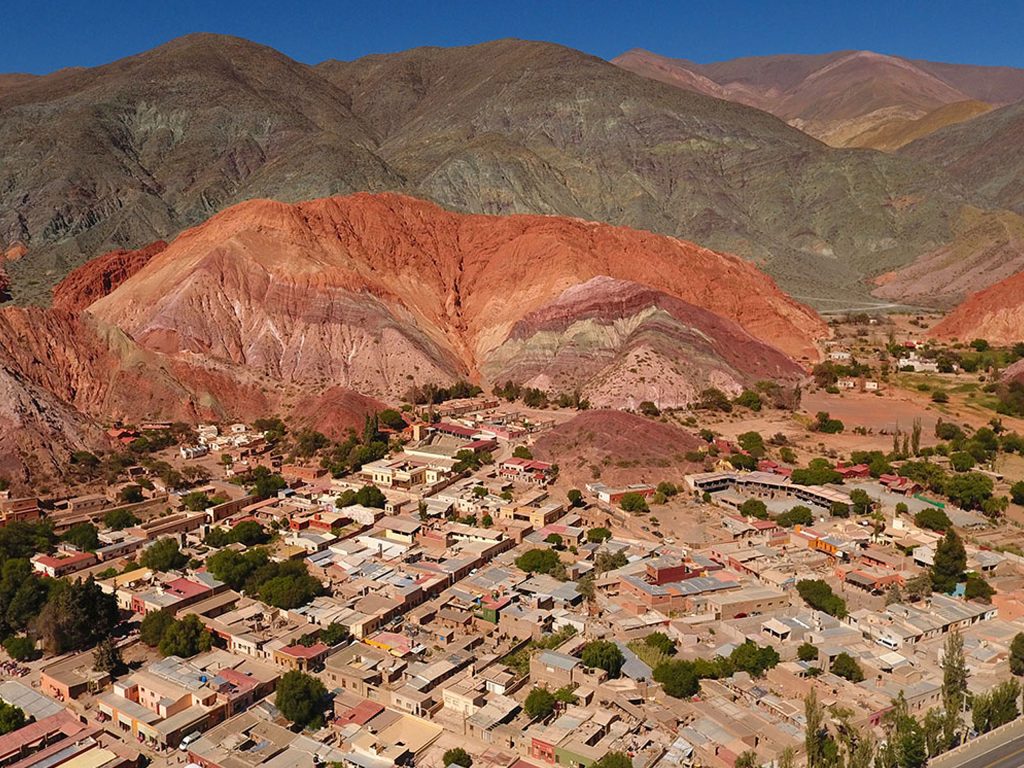
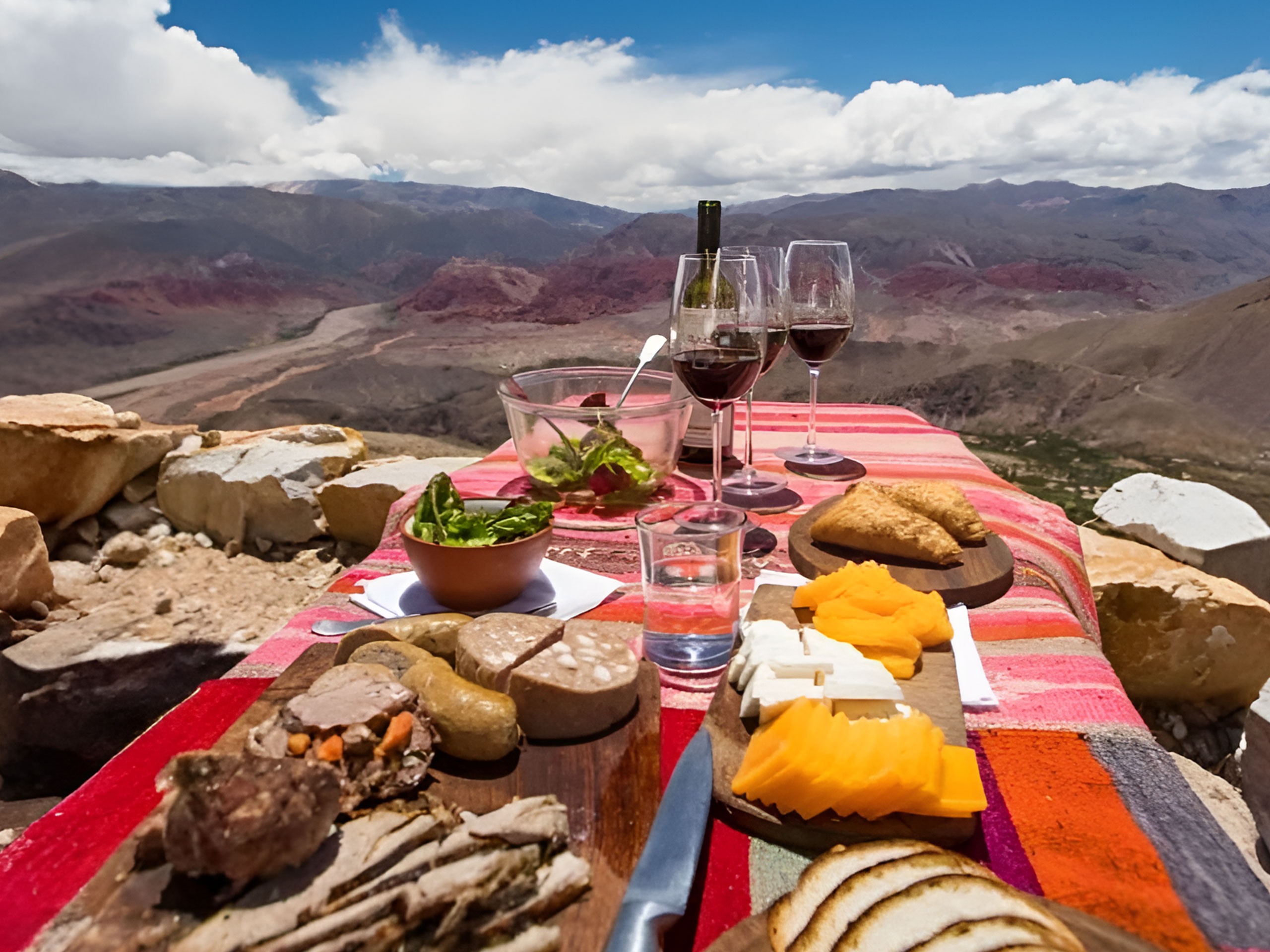
Main Wineries on the Jujuy Wine Route
El Molle Winery (Tilcara – 8,074 ft)
Boutique winery located in the heart of the Quebrada de Humahuaca, El Molle is a benchmark for high-altitude viticulture in Jujuy.
Highlights:
- High-altitude vineyards with sustainable management
- High-altitude Malbec with unique character and pronounced minerality
- Intimate visit experience with spectacular views
- Artisanal production focused on quality over quantity
- Prime location in Tilcara, cultural center of the region
Reservations: Advance coordination required
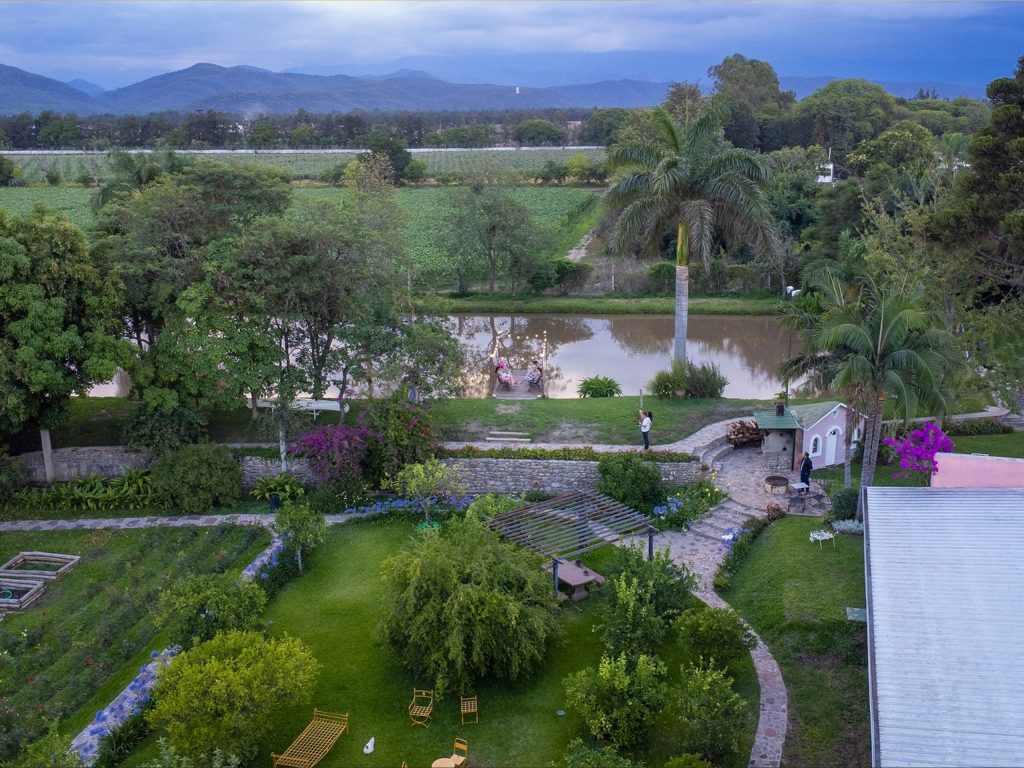
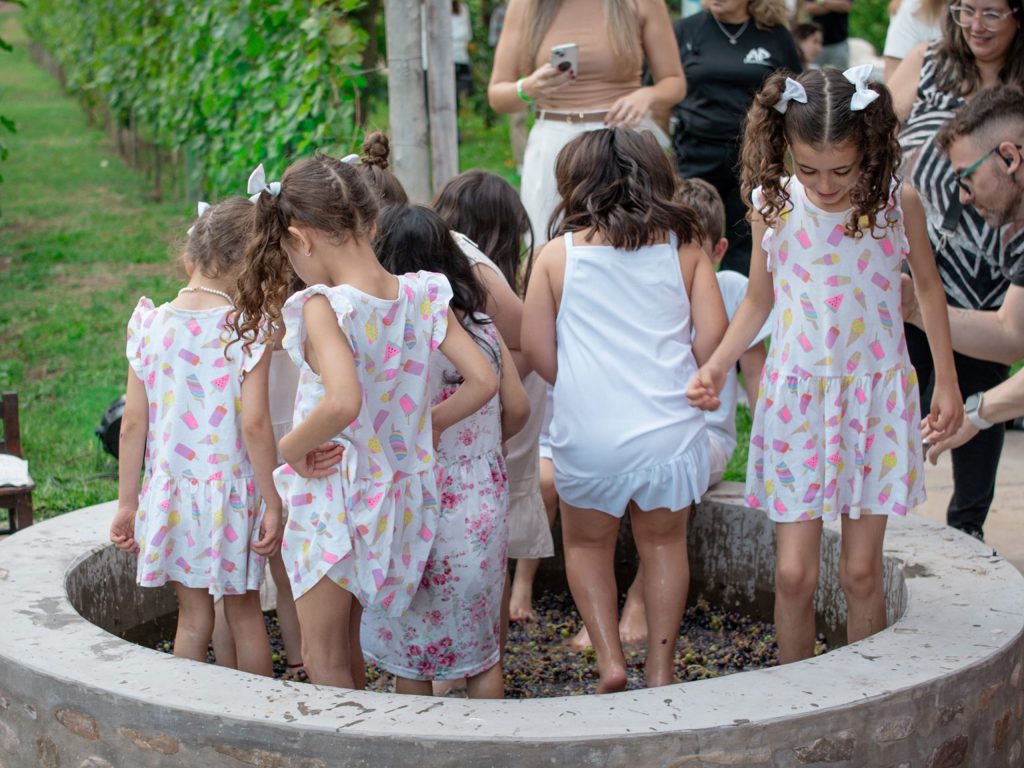
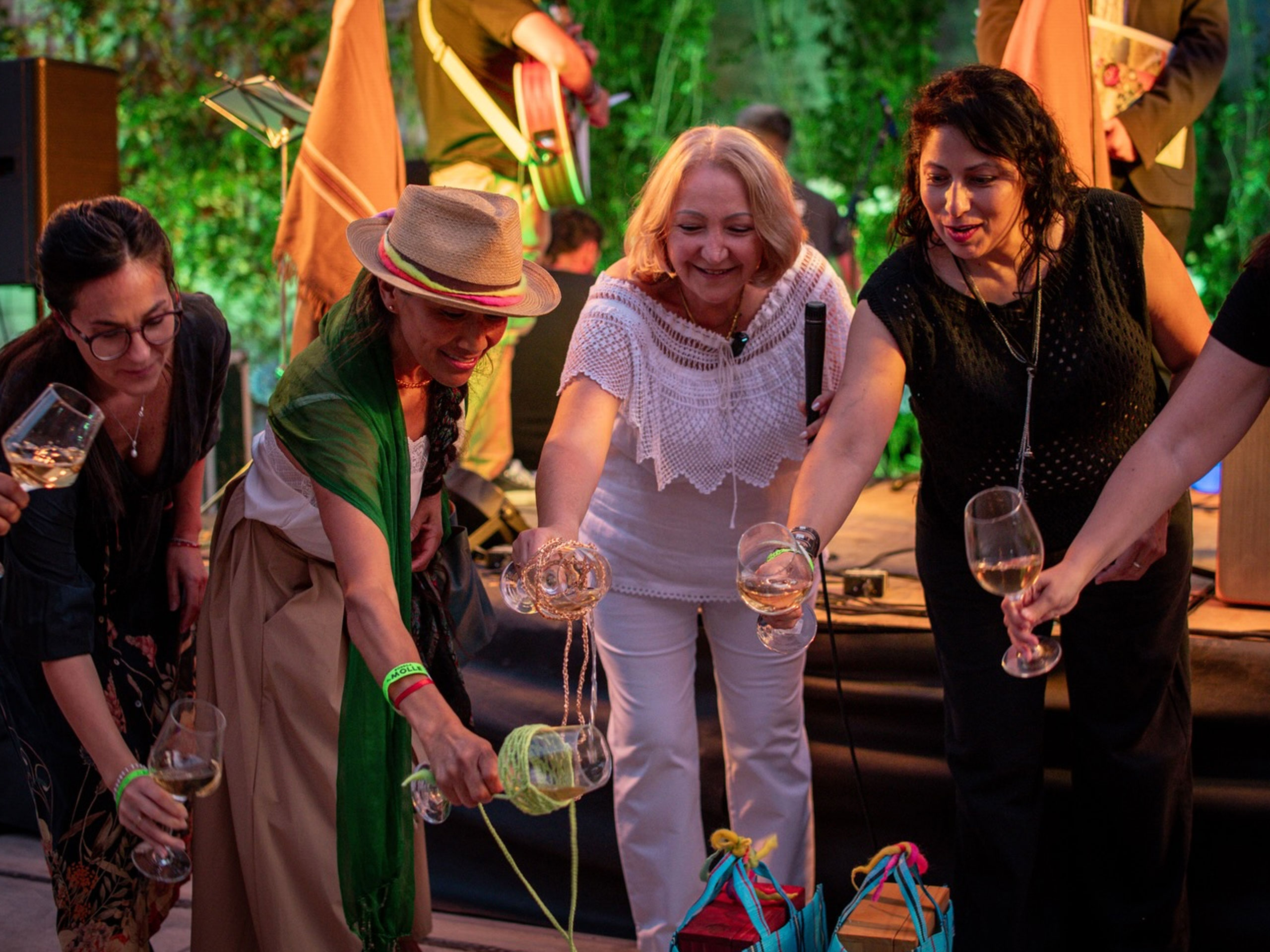
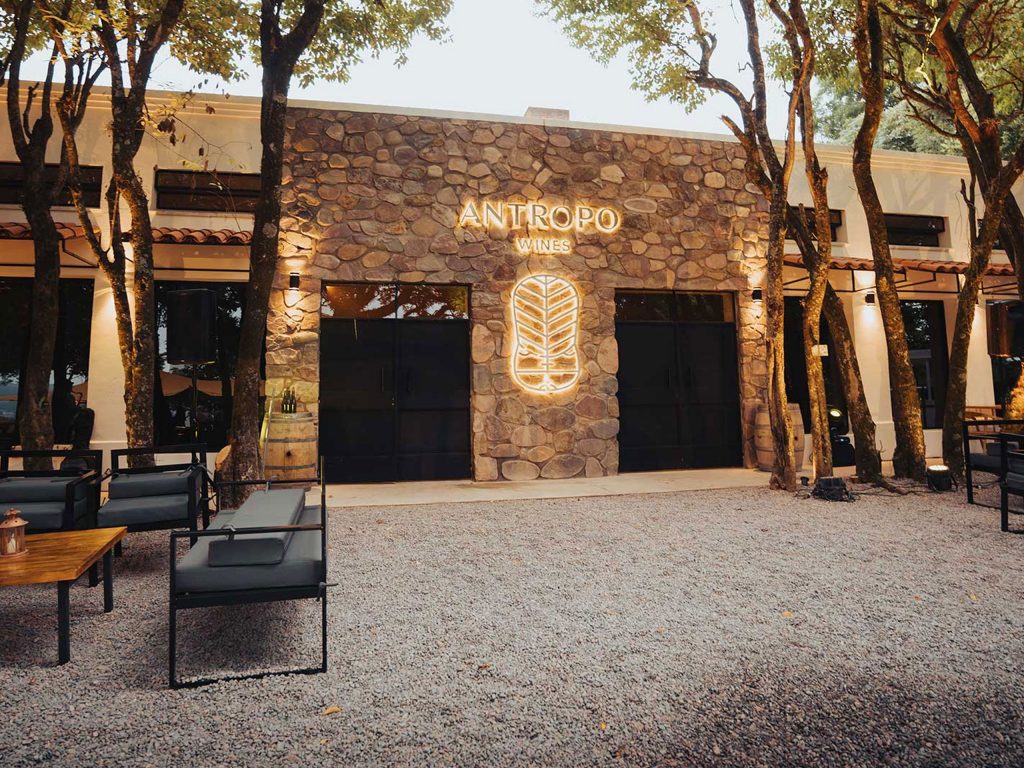
Antropo Winery (Maimará – 7,818 ft)
Signature winery fusing art, science, and extreme viticulture in one of the Quebrada’s most striking landscapes.
Highlights:
- Innovative winemaking philosophy applied to high-altitude wines
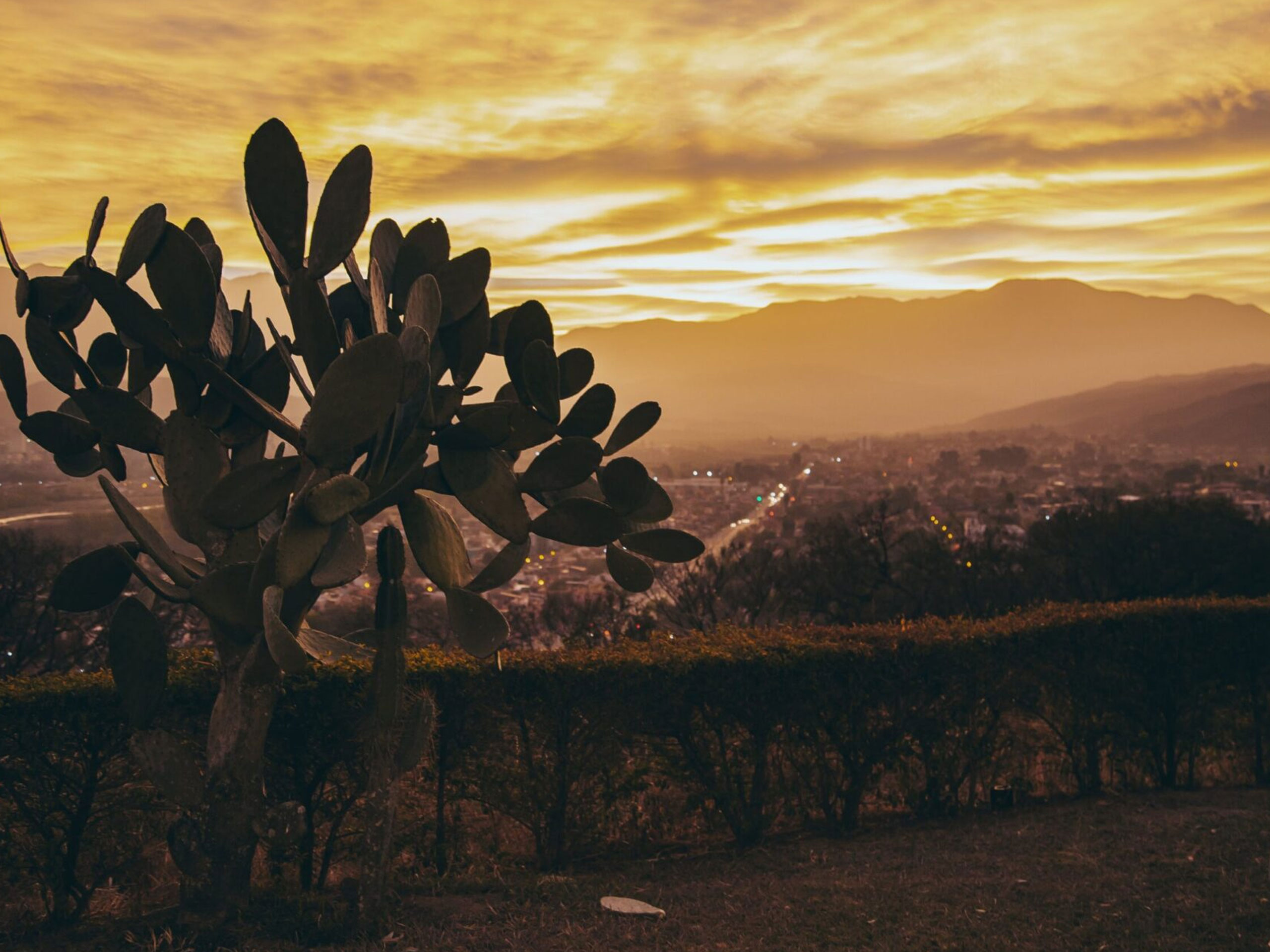
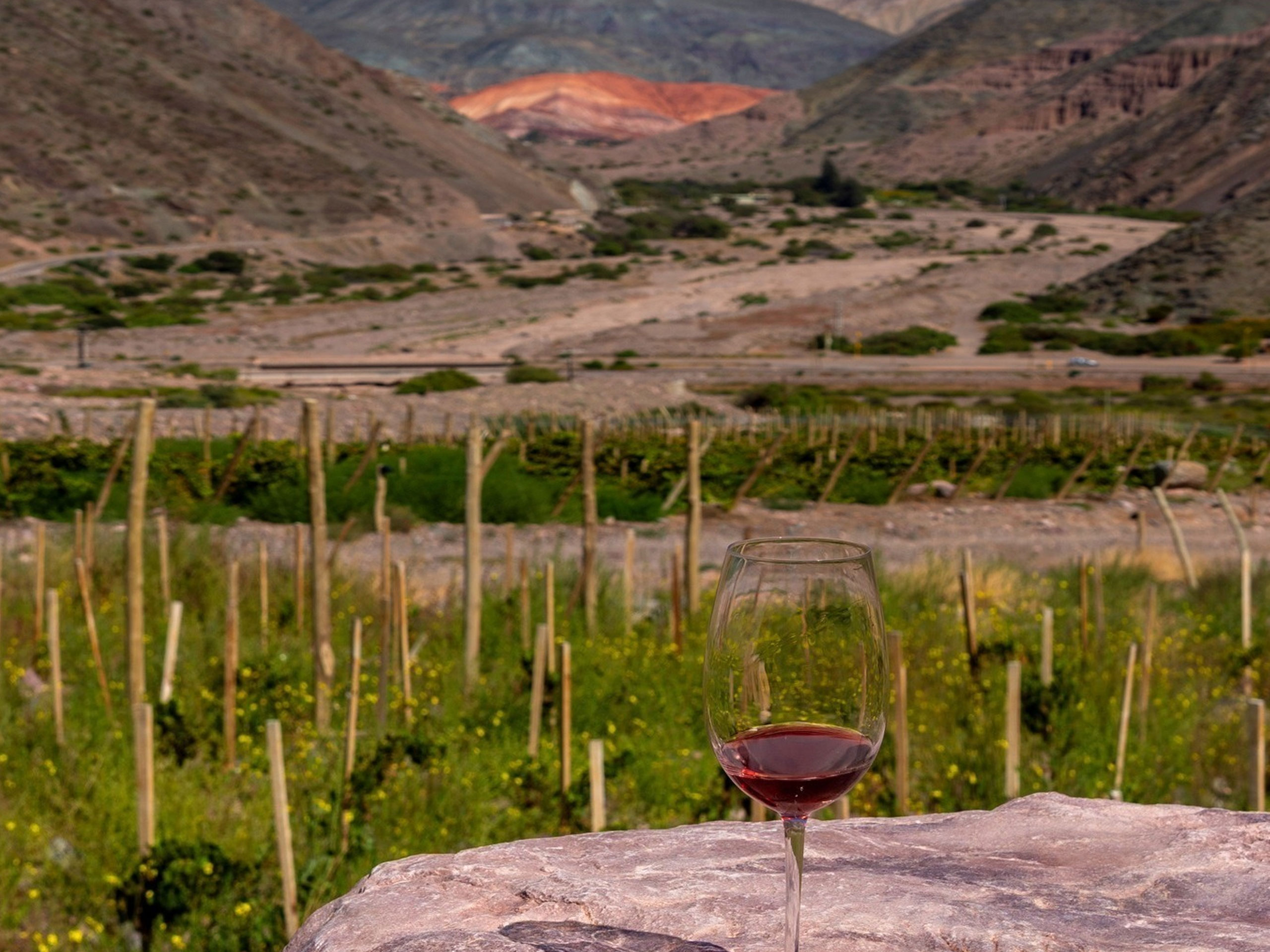
- Panoramic view of the Paleta del Pintor (Maimará’s multicolored hill)
- Wines with strong Andean terroir imprint
- Focus on expressing unique extreme altitude characteristics
- Experience combining wine, art, and Andean culture
Reservations: Essential to book in advance

Kindgard Winery (Purmamarca – 7,625 ft)
Wine project committed to sustainable high-altitude viticulture and pure expression of Jujuy terroir.Highlights:- Winemaking practices respecting the Andean ecosystem
- Wines reflecting the purity of high-altitude air and soil
- Limited production with attention to detail
- Focus on varietals that best express altitude
- Authentic family viticulture experience
Viñedos de Yacoraite (Yacoraite – approx. 9,350 ft)
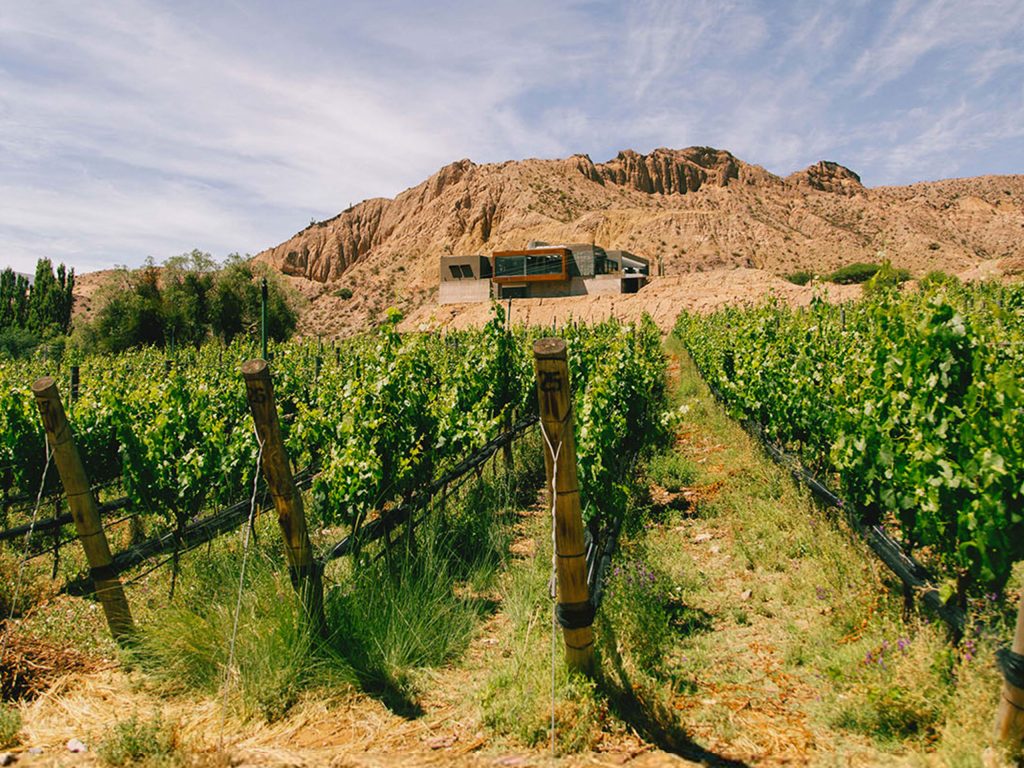
One of the most ambitious extreme viticulture projects in the Jujuy region, pushing altitude boundaries.
Highlights:
- Among the highest commercial vineyards in Argentina
- Unique microclimate generating wines of exceptional character
- Dramatic high-altitude landscapes with Quebrada views
- Project putting Jujuy on the global wine map
- Wines with vibrant acidity and intense minerality
Reservations: Essential to coordinate in advance – access requires planning
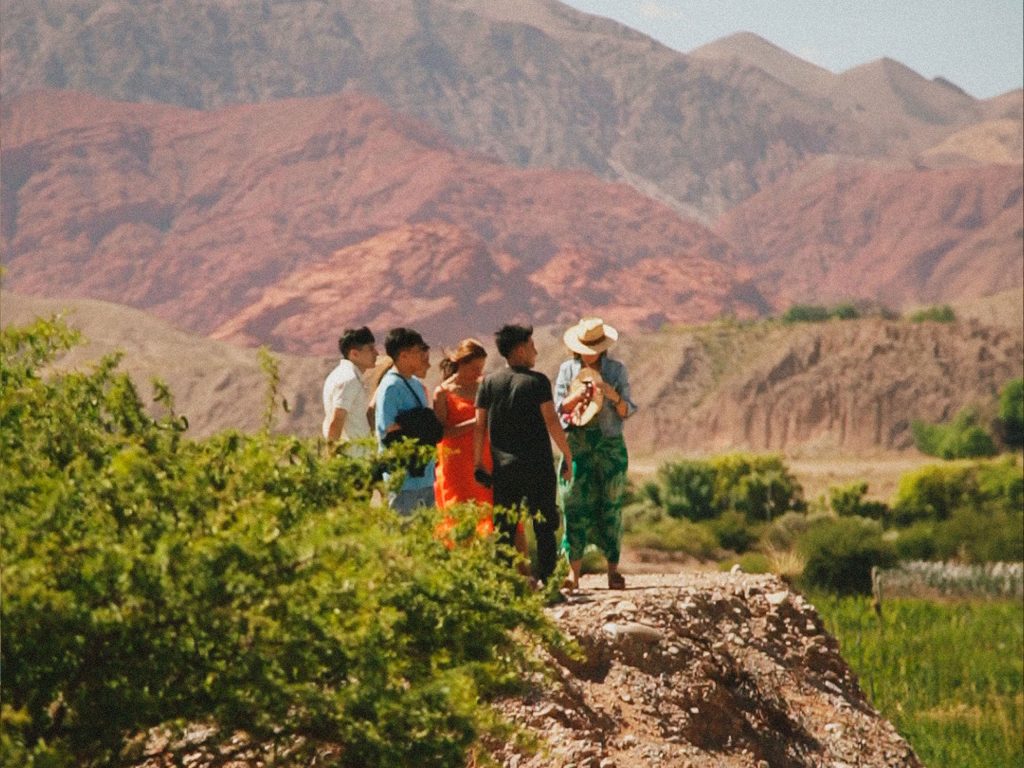
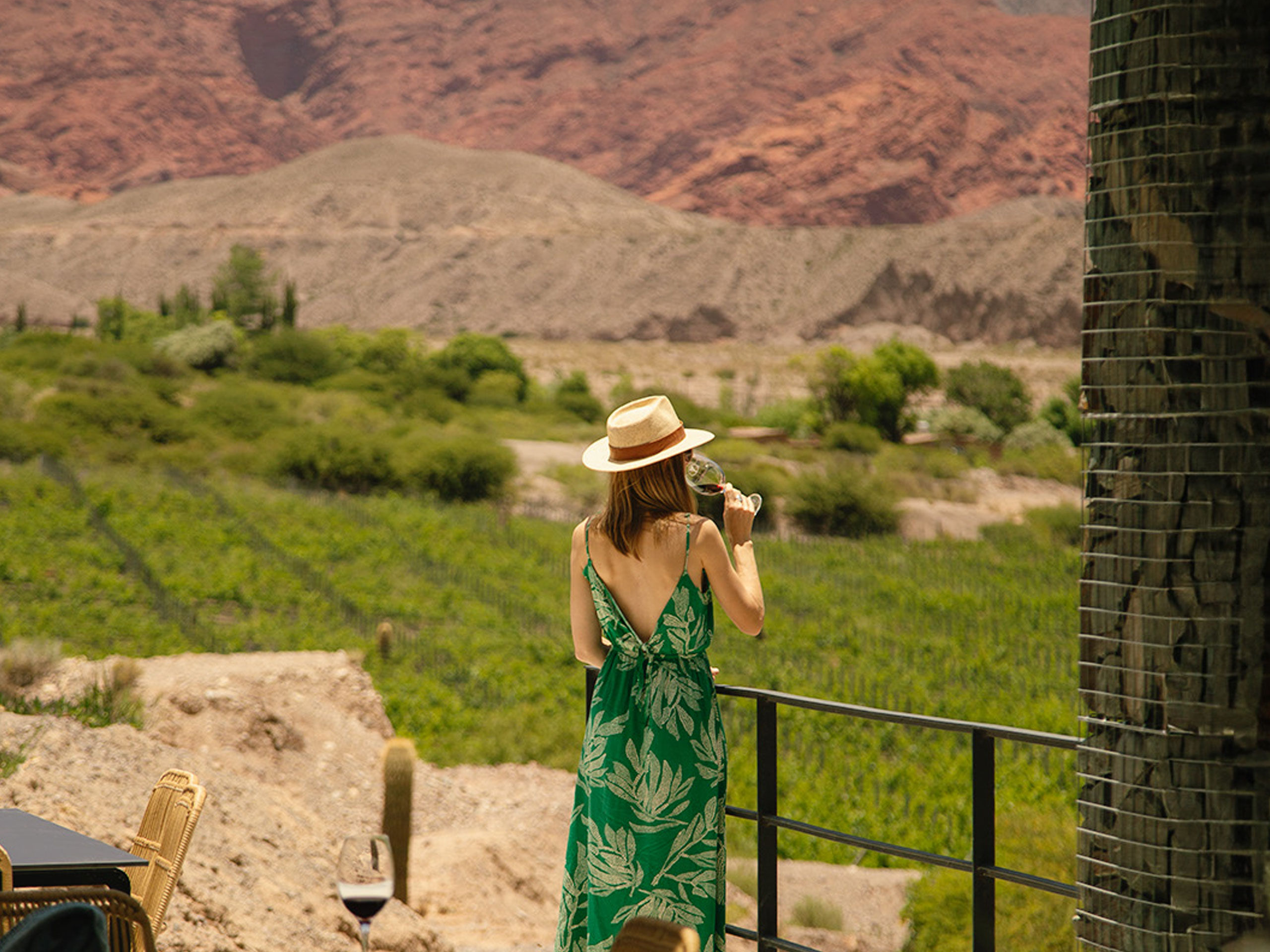
Amanecer Andino (Tumbaya – 6,890 ft)
Winery capturing the mystical essence of the Andes in every bottle, combining tradition and contemporary techniques.
Highlights:
- Name evoking the region’s unique experiences
- Focus on rescuing and honoring ancestral winemaking traditions
- Wines telling the story of Jujuy’s landscape and culture
- Experience connecting visitors with Andean spirituality
- Warm hospitality characteristic of northwestern Argentina
Reservations: Recommended to notify in advance
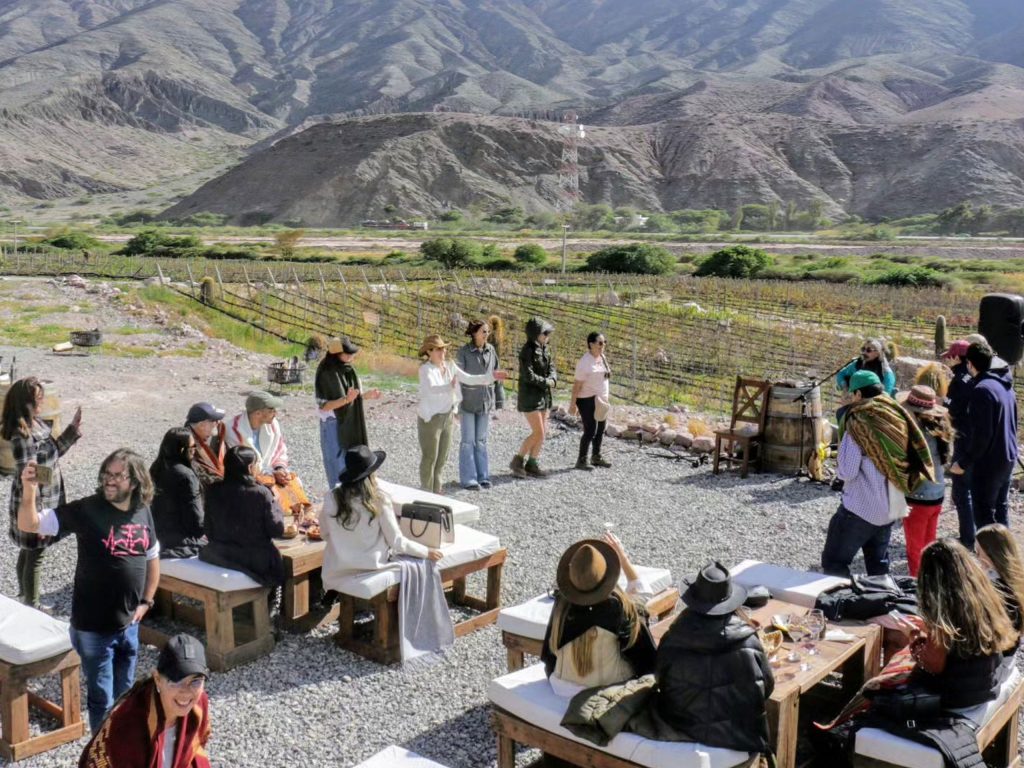
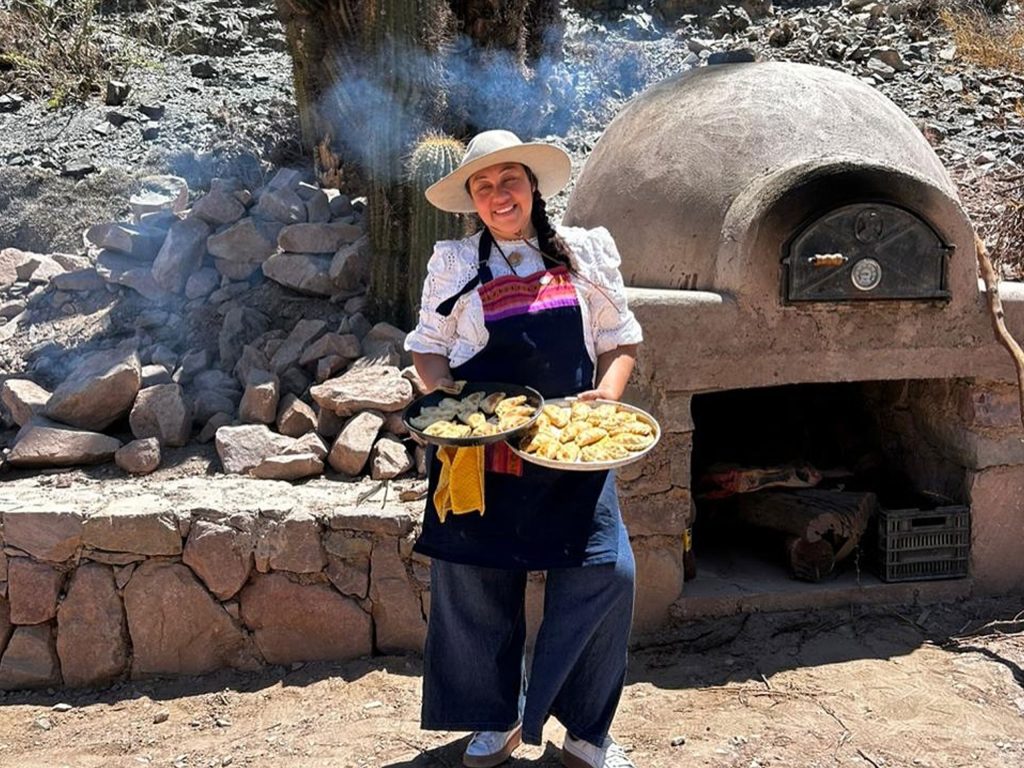
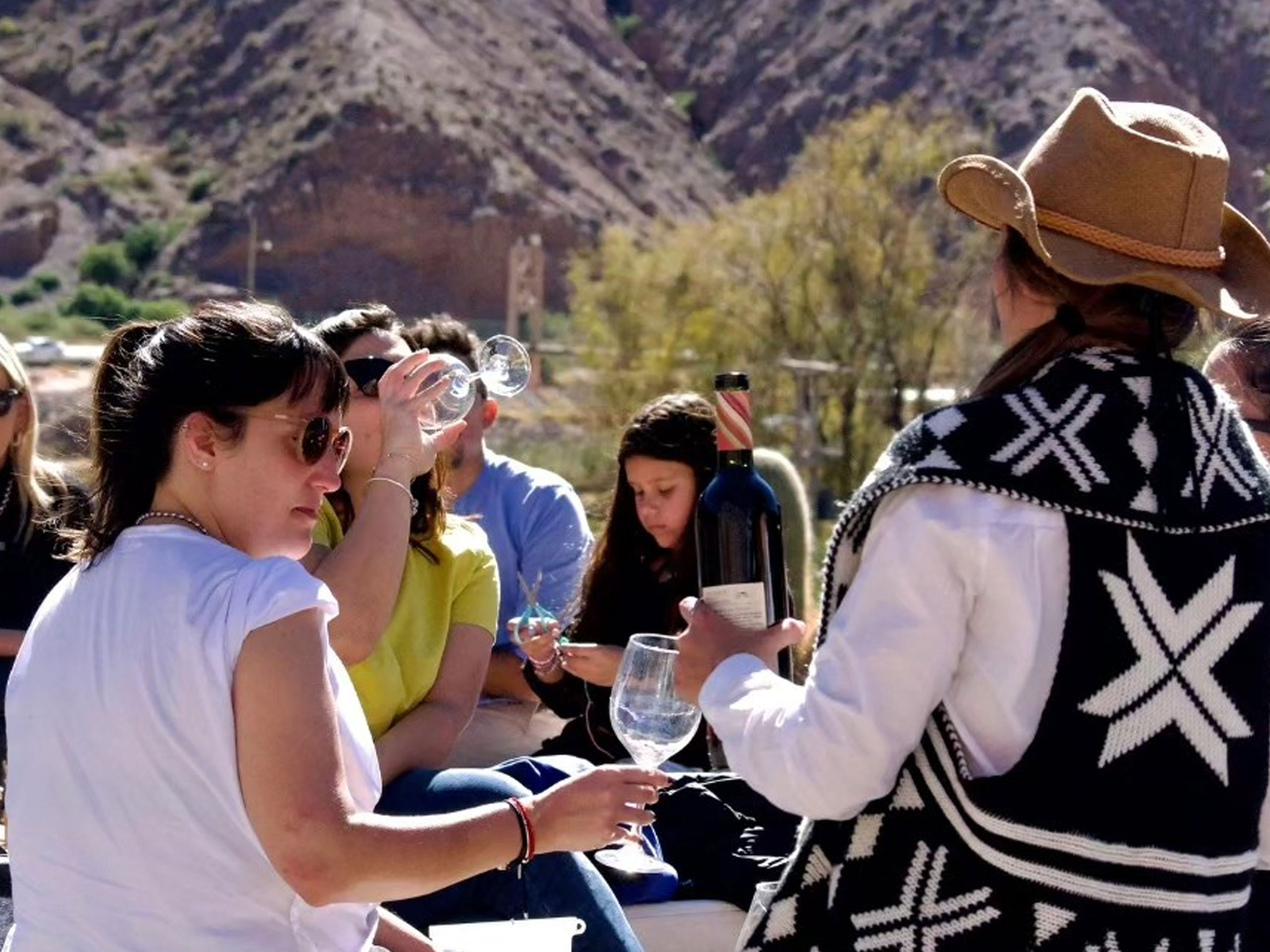
Viñedos de Uquía (Uquía – 9,245 ft)
Extreme viticulture project pushing the boundaries of what’s possible in Argentina.
Highlights:
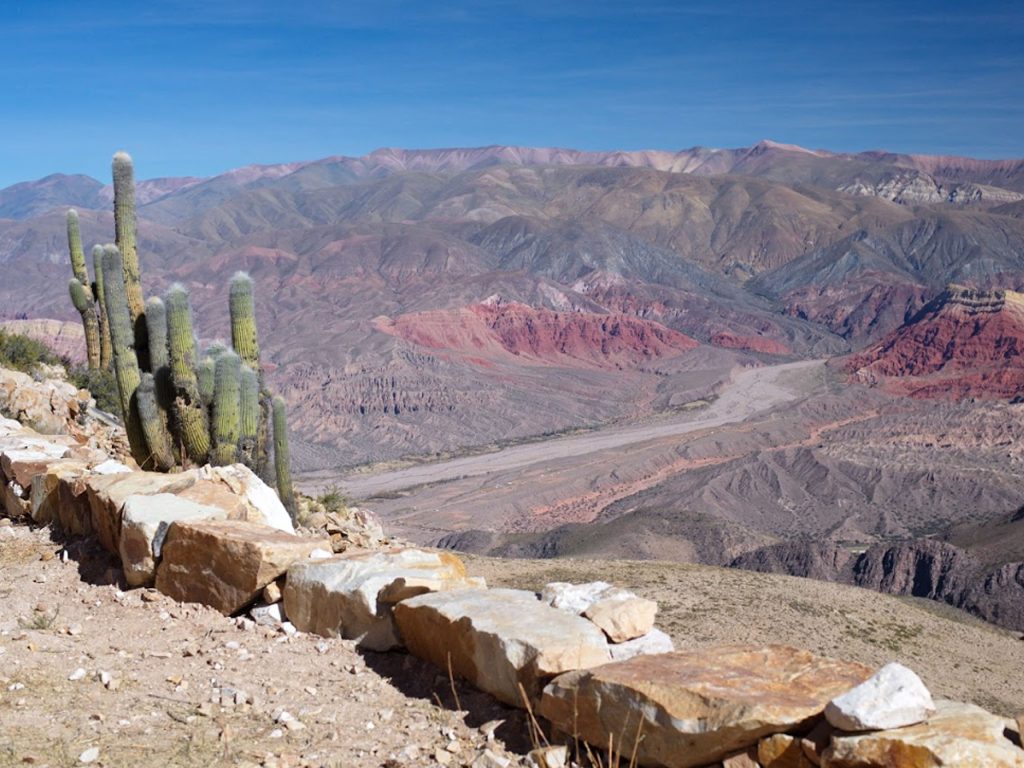
- Among the world’s highest commercial vineyards
- Biodynamic and organic agriculture
- Uncommon varietals: high-altitude Tannat, Syrah
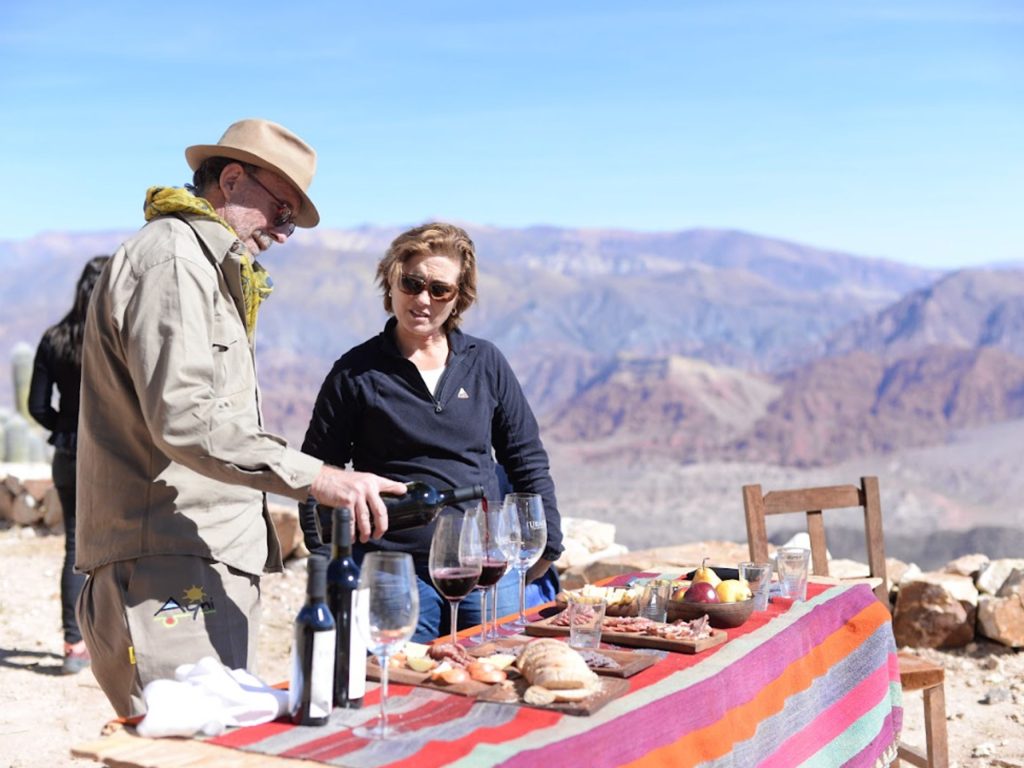
- Wine and food experience with Andean products
- Spectacular landscapes
Reservations: Advance booking necessary – access via gravel road
The Time Is Now
The window to experience Jujuy in its most authentic state is limited. Each year, the region gains more international visibility. In 2025, one of its wines already appeared in James Suckling’s Top 100 Argentina list.
It won’t be long before Jujuy stops being a secret.
Why Jujuy Isn’t for Every Traveler
Let’s be honest: this isn’t a route of palatial estates with luxurious tasting rooms. Most projects are artisanal, family-run, intimate. Some producers have just a few acres. Visits require advance coordination, and not everyone speaks English. But that’s precisely where the magic lies.
Jujuy is for the traveler who’s already done Napa, Burgundy, and Barossa. For those seeking authenticity, not postcards. For those who understand that true luxury is accessing experiences that aren’t in any mainstream travel guide.
How to Get to the Jujuy Wine Route
The Jujuy wine route is accessible from Salta, gateway to northwestern Argentina.
By Air
From Buenos Aires:
- Direct flight to Salta (SLA): 2 hours 20 minutes
- From Salta airport to San Salvador de Jujuy: 75 miles (1h 30min)
- Alternative: Direct flight to Jujuy (JUJ) – less frequent but closer
By Road
From Salta city to main wine route points:
- To Purmamarca: 40 miles (1 hour)
- To Tilcara: 53 miles (1 hour 20 minutes)
- To Maimará: 47 miles (1 hour 10 minutes)
- To Humahuaca: 78 miles (2 hours)
Recommendation
To explore the Jujuy wine route, we recommend:
- Private transfers with driver experienced in mountain roads
- 4×4 vehicle to access wineries on rural roads
- Not recommended to rent car without high-altitude and gravel road experience
Important: Distances seem short but mountain roads and altitude make travel times longer. National Route 9 (traversing Quebrada de Humahuaca) is in good condition, but access to some wineries requires secondary roads.
Altitude in Jujuy
The Jujuy wine region sits at high elevation:
- Purmamarca: 7,625 ft
- Maimará: 7,818 ft
- Tilcara: 8,087 ft
- Humahuaca: 9,646 ft
- Some vineyards: up to 10,800 ft
How to Avoid Altitude Sickness
- Take the first day slowly to acclimatize
- Stay well hydrated
- Try coca mate or coca tea (helps with adaptation)
- Avoid heavy meals and excessive alcohol the first day
- Consult doctor if you have cardiac or respiratory issues
Best Time to Visit the Jujuy Wine Route
The ideal window for the Jujuy wine route is March-April (harvest) or September-October (spring). To combine with Salta and Valles Calchaquíes, consider March-May.
Optimal Season
March to May - Fall
The best time for wine tourism in Jujuy
Advantages:
- Harvest season (February-April depending on varietal and altitude)
- Stable weather with warm days and cool nights
- Fall landscapes with vineyards in golden tones
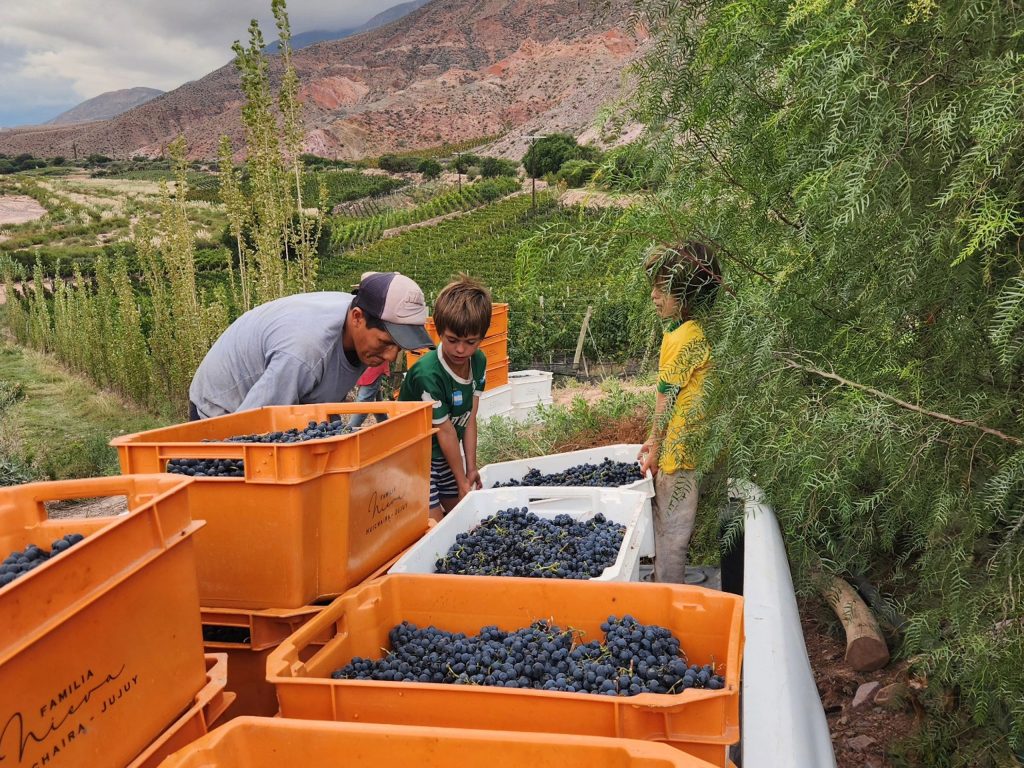
- Possibility to participate in harvest activities
- Ideal for wine-focused experiences
Excellent Season
September to November - Spring
Ideal for combining wine and nature
Advantages:
- Green landscapes after rainy season
- Blooming cardón cacti and Andean flora
- Pleasant temperatures for walks
- Fewer tourists than high season
- Excellent for photography
High Season
June to August - Winter
Popular for culture and landscape.
Advantages:
- Clear skies and characteristic intense blue
- High season in Quebrada de Humahuaca
- Traditional festivities (Inti Raymi in June)
- Wineries available but no harvest activity
Disadvantages:
- Very cold nights (down to 23°F)
- No vineyard activity (dormancy period)
Season to Avoid
December to February - Summer
Rainy season.
Disadvantages:
- Frequent precipitation (especially January-February)
- Some rural roads may be impassable
- Intense daytime heat
- Reduced visibility for landscape photography
- Some wineries with reduced hours
The Right Trip Design Makes All the Difference
Getting to Jujuy is relatively straightforward from Salta. But designing an experience that truly captures the region’s essence—one that organically blends enology, culture, gastronomy, and landscape—requires deep local knowledge.
Knowing which producer to visit when. Understanding which gastronomic experiences are genuinely worthwhile. Coordinating logistics in a region where distances and altitudes don’t forgive planning mistakes.
As a destination management company with years of experience in high-altitude wine routes, at Trips SouthAmerica we don’t just move people from point A to point B. We design experiences that connect travelers with the soul of each region, with the stories that give wine its meaning.
Plan Your Experience on the Jujuy Wine Route
Ready to discover Argentina’s high-altitude wine frontier before it becomes a mainstream destination? Our local expertise ensures your wine journey through Jujuy captures the authenticity and magic of this unique region.
💬 Contact us! Let’s design your perfect Jujuy wine route adventure together, with itineraries adapted to your wine preferences and experience level. .
Discover our Programs
Northern Argentina offers countless opportunities to discover unique landscapes and connect with local culture.
 ArgentinaChaltenPatagonia